Södra delivered a positive result for the first quarter of 2026. The result was strongly impacted by the divestment of Södra’s forest holdings in the Baltics. A challenging market environment distinguished the quarter with weak demand and a continued imbalance between the raw material market and the markets for Södra’s products.
In the first quarter of 2026, net sales for the Södra Group amounted to SEK 6,604 million (8,154), down 19 percent year-on-year. Operating profit totalled SEK 895 million, representing an operating margin of 14 percent. The result includes a capital gain from the divestment of forest in Latvia and Estonia. Excluding this, the operating loss amounted to SEK 578 million (profit: 439), reflecting continued strained market conditions, a stronger SEK and higher raw material costs.
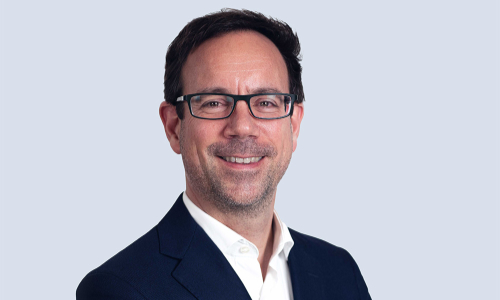
“The first quarter of 2026 has confirmed the challenging start to the year, and our underlying profitability for the quarter was negative. We were strongly impacted by geopolitics, currency, trade barriers and regulations, while developments in the Middle East also led to direct cost increases, mainly for logistics and input products. In this situation, we focus every day on what we ourselves can influence – to increase efficiency, adjust work methods and implement measures to address both costs and revenues, and we can see that our actions are yielding results,” said Södra’s President and CEO Lotta Lyrå.
Persistent weak demand was noted in the markets for Södra’s products during the first quarter. Moreover, the strengthening of the SEK against the USD had a clear effect compared with the corresponding period in the preceding year. Combined with sustained pressure on the relationship between raw material costs and prices for finished goods, this had a negative impact on profitability.
The pulp business was mainly affected by weak demand in Europe. Softwood pulp prices rose in Europe and the US, while price levels in Asia were more static. The global market featured a continued imbalance between supply and demand, with a relatively high supply of softwood and hardwood pulp, which contributed to the downward pressure on prices.
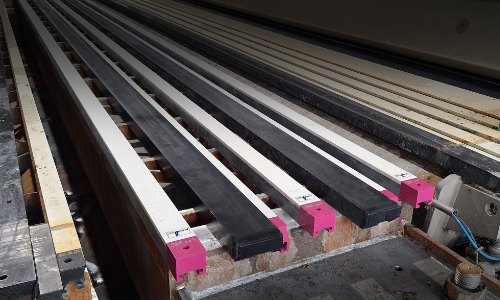
The sawn timber market remained weak during the quarter, particularly in the UK (Great Britain and Northern Ireland) and the US. In parallel, slightly higher activity was noted in several European markets, while activity in the building materials trade in Sweden was low. In the CLT business, order intake increased at the end of the quarter and the order book grew compared with year-end 2025.
The energy products market was more stable. Demand for a number of bioproducts was favourable, and the tall oil market demonstrated positive development. Although demand for dissolving pulp remained relatively stable, it was affected by high supply.
During the first quarter, we implemented improvements and efficiencies corresponding to SEK 233 million as part of our World-class Efficiency programme – our way of working with continuous improvements.
Focus on actions, development and long-term competitiveness
In a market environment that remains challenging, our focus is clearly on what Södra can influence in its own operations. Efforts are focused on both overheads and revenues, and aim to address short-term needs while building long-term competitiveness.
The action programme we initiated last year is continuing to bear fruit, and work to increase efficiency, adjust working practices and identify cost savings is ongoing across the business. In parallel, additional measures focused on revenue are being mobilised in response to a more challenging market environment, in the form of clearer market choices and continued development of the product portfolio, both in existing offers and new products.
Meanwhile, Södra is continuing to develop its business towards higher value added. In the near term, tannin will be launched while lignin will become an important part of Södra’s offer in the long term. These ventures help create new revenue streams and strengthen efforts to extract more value from each tree.
“A challenging market environment requires clear priorities and consistent efforts to adapt operations to a new reality. For Södra, this is about making wise decisions, developing the business and making strategic choices that strengthen competitiveness over time. All while creating stability in the business,” said Lotta Lyrå, President and CEO of Södra.
Several key decisions were taken during the quarter to adapt the business to a changing environment. The divestment of the forest holdings in the Baltics has been completed, thereby strengthening Södra’s financial position. Meanwhile, the decision to divest the stake in Sunpine reflects a strategic reprioritisation as the company enters a new phase that requires a different ownership structure. Combined, these decisions support greater clarity in Södra’s long-term direction, strengthening the conditions for continued development.
Business areas’ results for the first quarter of 2026
In the Södra Skog business area, operating profit totalled SEK 4 million (33) for the period.
The earnings trend was primarily due to lower delivery volumes and reduced revenue, mainly for spruce logs.
In the Södra Wood business area, operating loss totalled SEK 315 million (profit: 14) for the period. The earnings trend was mainly due to lower delivery volumes and higher raw material costs.
In the Södra Cell business area, operating loss totalled SEK 158 million (profit: 538) for the period. The earnings trend was primarily due to negative exchange rate developments and higher raw material costs.
In the Södra Building Systems business area, operating loss for the period totalled SEK 22 million (loss: 37). The earnings trend was primarily due to slightly higher sales and the possibility to dissolve project provisions.
Operating profit/loss for the Södra Bioproducts business area is included in other business areas. The business area’s sales for the period amounted to: SEK 1,080 million (1,249).
Photo/Södra
RELATED NEWS