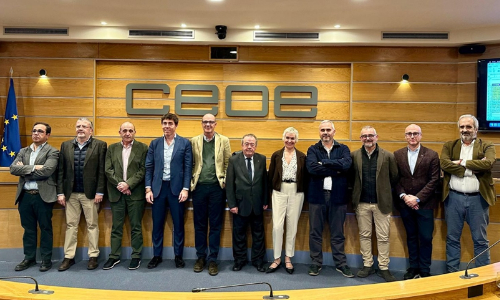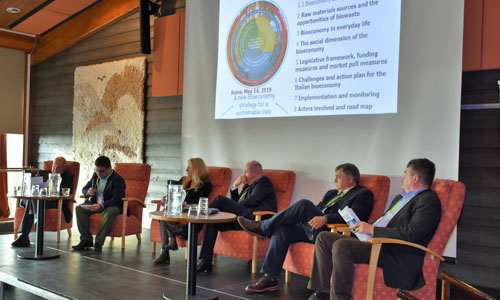
The declarations were made after delegates and stakeholders, including industry players, NGOs, researchers, policy makers and academics engaged in the circular bioeconomy from all over the world met in Ruka over the course of this week. The discussions that took place were mainly centred around the importance of the bioeconomy sector in efforts to reduce climate change, which is increasingly being recognised as an emergency of our times. The declarations agreed upon today are:
- 1. To manage the circular bioeconomy with a particular view to the health of the planet as the No.1 priority The bioeconomy is right at the heart of solutions to climate change. Through its strategy and actions, stakeholders must be committed to the bioeconomy with the knowledge that it is a crucial tool to mitigate climate change and to operate as such.
- 2. Ensure that the circular bioeconomy is economically sustainable Stakeholders must engage in the holistic use of feedstocks for example certified, sustainable forestry, green energy generation during production, reduction of consumption, and high recycling rates, along all steps of the value chains. Business plans by industry must also take these requirements into account.
- 3. Agree to, wherever possible, to use the bioeconomy to create jobs for rural and urban communities. Important to emphasize that the circular bioeconomy is inclusive of welfare of people as well as the planet.
- 4. Share knowledge between North, South, East and West Stakeholders need to meet regularly, share ideas, best practice and progress at events such as the World Bioeconomy Forum – and then put shared knowledge into action.
- 5. Accelerate circular bioeconomy evolution by endorsing smart bioeconomy policies and strategies, including accountable action plans Use smart and coherent policies as a tool to speed up development towards a sustainable circular bioeconomy. Circularity is a must – for new products and applications need to take into account recycling and reuse requirements in product/value chain design. 6. To make bio-based value chains explicit and traceable Consumers should be made aware of the products they are offered to allow them to make the right buying decisions.
- 7. Acknowledge that renewable carbon is the key for a sustainable chemical and plastic industry Chemicals and plastics need carbon – it is about the right carbon source. This is renewable carbon from biomass, direct CO2 utilisation and recycling. This must be acknowledged in any future legislative framework in Europe.
- 8. Agree on the emphasis of replacing fossil-fuel material and not to promote biomass burning
It is vital that the fiber value chain goes beyond simply the burning of biomass for energy. Priority must be given to producing high-end, sustainable products such as chemicals, plastics and textile fibers.
RELATED NEWS