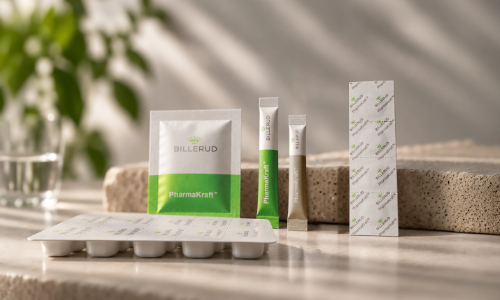
In the COCOBIN project, coordinated by the University of Oulu, coating materials are being developed from suberin, a natural compound found for example in birch bark. In plants, suberin acts as a protective layer and prevents the loss of water. Up to 1500 meters of a bio-based coating material prototype have been produced at semi-pilot scale.
The material can be applied especially in fiber-based packaging materials such as paper or paperboard as a moisture barrier, as well as in other products requiring durable and functional surfaces. One key application area is food packaging, where the role of the coating is to prevent moisture from passing through the packaging material and to protect the product.
“The material can be applied especially in fiber-based packaging materials such as paper or paperboard as a moisture barrier, as well as in other products requiring durable and functional surfaces,” says professor Henrikki Liimatainen from the University of Oulu.
“Suberin-based coatings can be used as a water vapor barrier in food packaging applications. Current coating materials are typically fossil-based and can present challenges for recycling. Suberin-based coatings can offer an alternative while achieving comparable performance,” adds Rajesh Koppolu, Senior Scientist at VTT.
The development of the coating has progressed step by step toward practical applications. The starting point was birch bark, from which suberin was extracted at semi-pilot scale. The extracted suberin was received as a moist material, then dried and further processed into a fine powder. This enabled it to be mixed into a uniform coating formulation.
From this powder, a water-based coating was prepared, where suberin particles are evenly distributed in the liquid. Additional components were included to help the coating spread evenly and to achieve the desired functional properties. The formulation is based on approximately one and a half years of research and development work. The work demonstrates the feasibility of the concept at semi-pilot scale.
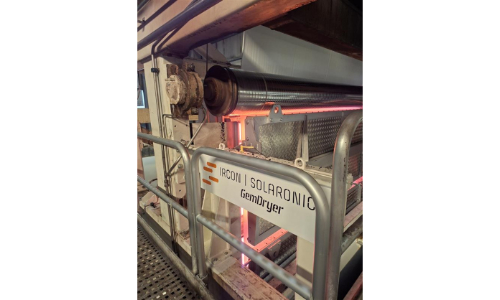
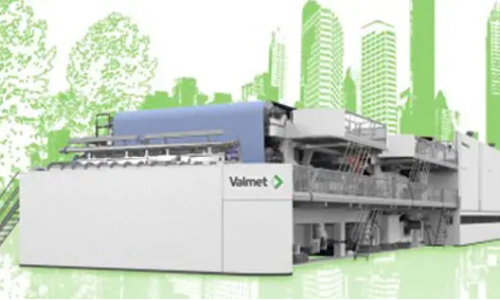
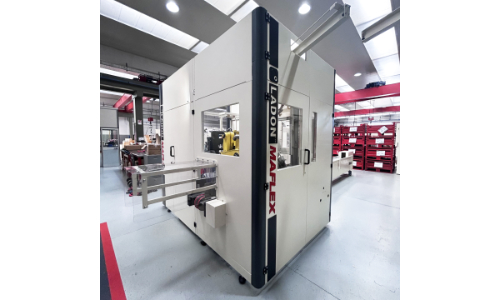
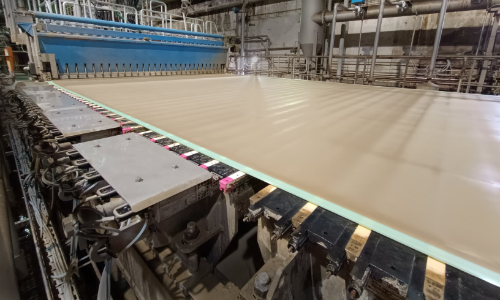
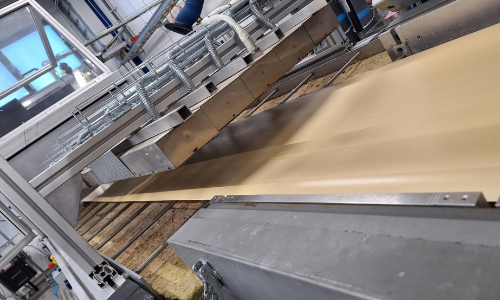
The coating was produced and tested using semi-pilot-scale equipment that represents industrial production at a smaller scale. This allowed the team to observe how the material behaves under conditions similar to real manufacturing.
The coating was applied to two different wood fiber-based paper substrates (UPM and Metsä Board), with multiple trial runs carried out. Each run produced hundreds of meters of material, resulting in a total coated length of approximately 1200–1500 meters.
The trials showed that the coating can be processed in a similar way to conventional coatings and that production is feasible beyond laboratory scale. The coated materials are now being analysed to better understand their properties, performance in different applications.
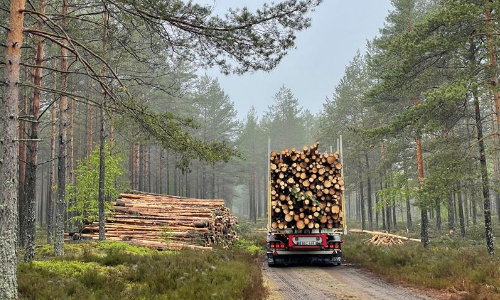
Suberin is extracted, for example, from birch outer bark, which has traditionally been used for energy production. With new applications, it has the potential to become a higher-value side stream for the forest-based industry.
“This development is important because it brings bio-based materials closer to real-world applications. At the same time, it supports the transition away from fossil-based materials and enables better utilization of forest industry side streams,” Koppolu muses.
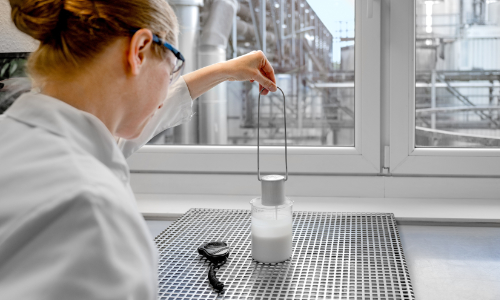
Photo: Rajesh Koppolu
RELATED NEWS