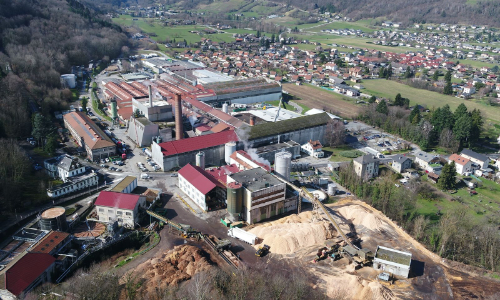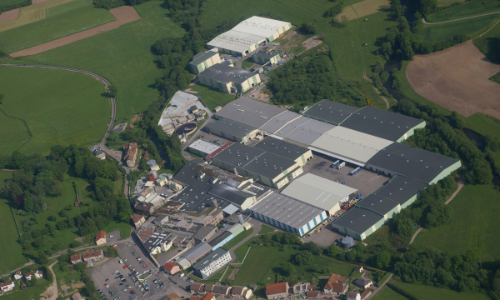
Mercer Stendal, a subsidiary of Mercer International Inc., is converting the fuel supply for the lime kiln at the Arneburg pulp mill in Germany. With a total budget of 34.6 million euros, the lime kiln, which is currently operated with natural gas, will be converted to biomass firing.
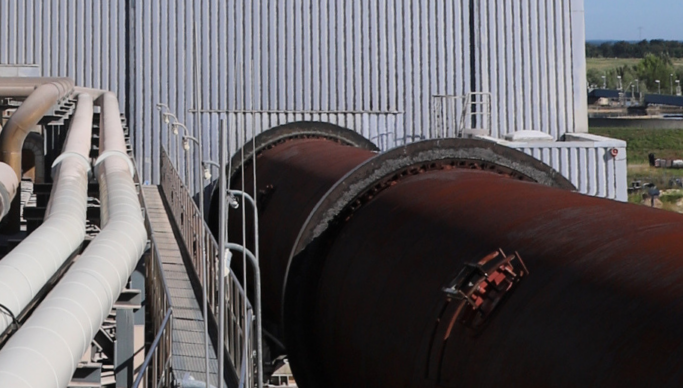
The lime kiln is part of the chemical recovery cycle in pulp production. In the 107-meter-long rotary kiln, lime slurry is reactivated into quicklime at temperatures exceeding 1,000 degrees Celsius. The process has been powered by natural gas to date; the combustion capacity is approximately 45 megawatts.
The lime kiln currently accounts for about 86 percent of the site’s fossil CO₂ emissions. By replacing natural gas with biomass, Mercer Stendal expects to reduce the plant’s fossil CO₂ emissions by approximately 85 percent. According to current plans, this corresponds to a reduction in Scope 1 emissions of approximately 58,000 metric tons of CO₂ equivalent per year.
In addition to the new burner technology, the project also includes modifications to the flue gas cleaning system. In collaboration with project partners Andritz and SHW, two new heat exchangers, a fabric filter, and an SCR catalyst, among other components, will be installed. These components are designed to reduce emissions of dust and nitrogen oxides (NOx).
The project is receiving a grant of 17.2 million euros from the Federal Ministry for Economic Affairs and Energy.
Following the completion of the engineering phase in 2025, civil engineering work began in April 2026. Installation of the new plant components is scheduled to begin in March 2027. The plant is expected to go into operation in phases starting in August 2027.
In 2028, Mercer Stendal expects to largely replace the lime kiln’s current natural gas consumption during normal operation, thereby also reducing fossil CO₂ emissions. The operation of the new plant is expected to create two additional jobs at the site.
The investment supports Mercer International’s goal of reducing Scope 1 GHG emissions intensity by 50 percent per tonne of pulp by 2030 (from a 2019 baseline), and is expected to reduce the fossil fuel emissions intensity of pulp produced at the Stendal site.