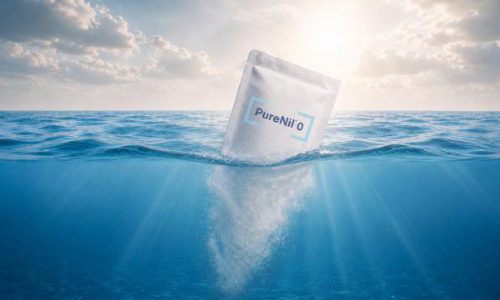
BASF is launching a portfolio of dispersions for paper coating with a reduced Product Carbon Footprint (rPCF). Paper coating binders produced at the Ludwigshafen Verbund site are now available with approximately 20% to 45% lower Product Carbon Footprints* than the corresponding conventional products. These new rPCF dispersions use several levers including low-PCF raw materials. They are designed to support customers in lowering emissions in the ‘Purchased Goods and Services’ category and working toward their Scope 3.1 carbon reduction targets. The carbon footprints of the products are calculated according to the guidance issued by the Together for Sustainability (TfS) initiative and TÜV Rheinland has certified the conformance of BASF’s calculation methodology with this standard.
“We are launching our new rPCF portfolio to address our customers’ need for practical solutions for emission reduction,” said Prof. Dr. Thomas Schiele, Vice President Business Management Adhesives, Fiber Bonding, Printing, Paper & Packaging. “The new products offer a cost-effective option for contributing to relevant CO2 savings. As part of BASF’s commitment to the paper and board industry, this is one way we aim to support our customers in addressing current and future market challenges.”
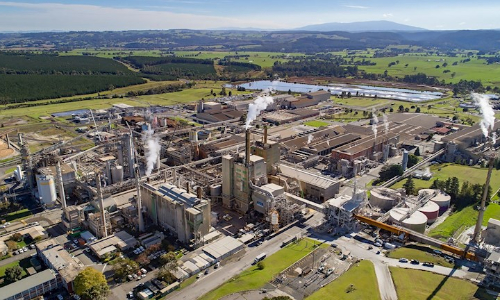
For rPCF paper coating dispersions, BASF uses low-PCF raw materials as well as green utilities, including electricity from renewable sources and low-PCF steam. The products are manufactured at the Ludwigshafen Verbund site using a mass balance approach: A specified share of conventional raw materials or conventional utilities is replaced with corresponding alternatives that have a reduced PCF. This share is then allocated to the reduced-PCF products, lowering their carbon footprint accordingly. The manufacturing process itself remains unchanged, allowing customers to transition seamlessly to the new products as a drop-in solution without requiring requalification.
*Product carbon footprint (PCF) refers to cradle-to-gate emissions and is calculated according to applicable methodologies. PCF reductions are assessed case-by-case in comparison with the conventional BASF product.
Photo/BASF
RELATED NEWS