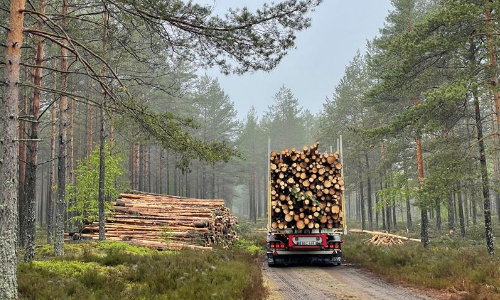
According to the February 21st edition of the newspaper “La Tribune, “the Ministry of Industry could help Fibre Excellence (FE) get out of its current predicament by restructuring its debt and contributing to the investment plan for its two sites (Tarascon and Saint-Gaudens), which produce some 550,000 tons of market pulp per year. However, this is conditional on the shareholder “taking responsibility.”
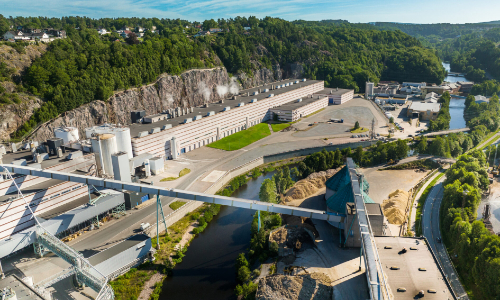
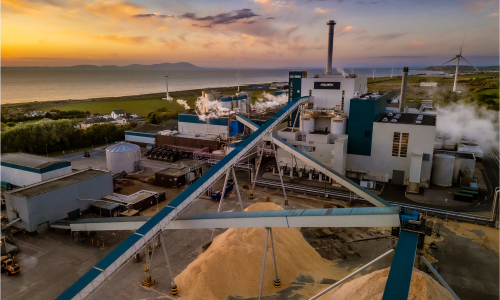
“The Minister Delegate for Industry, Sébastien Martin, has proposed a public commitment of €150 million, based on two parts of €75 million each,” the Minister of Industry’s office told “La Tribune”. “The first part concerns the integration of the Saint-Gaudens site into the carbon quota system. It would also include waiving interest payments and spreading FE’s public and social debts over ten years.” This represents a significant easing of the financial pressure on the group’s cash flow, which has already been supported in recent weeks and has already benefited from deferred social security and tax contributions. The second part would take the form of a state guarantee covering 50% of the industrial investment plan to support the modernization of the Saint Gaudens and Tarascon plants. A few weeks ago, Jean-François Guillot, head of the group in France, sounded the alarm, pointing to the rise in wood prices in France and the terms of the buyback by EDF, which no longer cover the actual costs of electricity production. In mid-February, FE also received a €9 million boost from its holding company.
According to La Tribune, FE welcomed “the proposals put forward by the State, (…) a first step in the right direction to preserve and develop Fibre Excellence’s industrial capacity in the long term and create more added value (…). Discussions must continue to find concrete solutions regarding securing French timber supplies and the crucial issue of electricity buyback rates. These points are fundamental to our business in both the short and long term.” (cf. our update on February 9th). According to La Tribune, the government indicates that negotiating electricity prices “is not a short-term solution” because it would require waiting for the 2027 budget bill. Furthermore, the Ministry of Industry emphasizes that the special tariff for the Gardanne power plant, cited by FE as an example for its very different electricity buyback conditions, is currently the subject of legal proceedings. “We are extending a hand, but we also expect a firm and direct commitment from the shareholder,” the Ministry stated, again quoted by La Tribune. “It is now up to the shareholder to take responsibility by formulating a proposal to ensure the group’s long-term viability and safeguard jobs. The state shouldn’t have to bail out all struggling companies. If FE is to have a future, shareholders must believe in its sites and invest in them.” According to Jean-François Guillot, “FE has a long-standing commitment to France, and we believe in its future. We will be studying these proposals very carefully in the coming days, considering both their immediate and medium-to long-term effects.” V. L.
RELATED NEWS